How to maximize the Efficiency of the Modulating/Condensing Boiler
1. Tighten up the structure creating an over radiated system. Lowering the heat loss and keep the same amount of radiation will allow operation at lower water temperatures and increasing the comfort level of the home. Temperature swings will go disappear.
2. Do a heat loss on the building. A heat loss will properly size the boiler for maximum comfort and fuel savings.
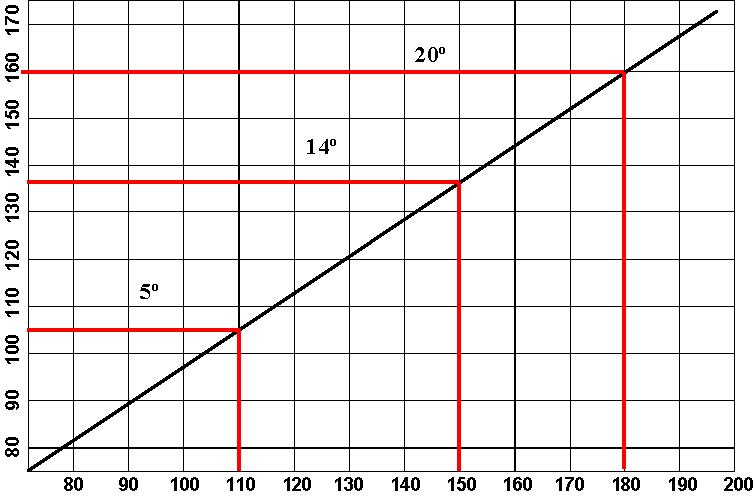
3. Increase the delta-T of the system. The use of a variable speed pump will help achieve this. The cooler water returning to the boiler the more efficient it is. You cannot get carried away here, the normal delta-T with standard radiation is 20f-25f. See delta-T chart.
4. If feasible add some more radiation to help lower operating water temperature.
5. Your greatest efficiency is a lower water temperature system and/or high-water volume systems. We need to run at near condensing which is about 126f-130f. When the condensation in the boiler stops we lose about 9% of the heat input that can be retrieved from the flue gasses.
6. Adjust the heating curve properly. When the heat loss is done do one at design outdoor temperature and then one at maybe 50f or so. Measure the radiation and plot the curve. See Instructions here.
7. Do not split the system into too many micro-zones. A micro zone is any zone smaller than the minimum output of the boiler. Mirozones will cause boiler short cycling which lowers the AFUE efficiency. If you already have these zones and do not want to change the zoning maybe consider a buffer tank
8. Think about installing two smaller boilers instead of one big boiler. This will save much more than the upfront costs in the years to come and gives some comfort when one boiler may fail.
9. Make sure all installed equipment is adjusted with a combustion analyzer if required. Some boilers today do this automatically.
10. Reduce the fan RPMs to reduce your boiler output to match the heat loss and or DHW whichever is smaller. Usually residentially the DHW load is larger than the heating load. Size the boiler to the heating load and upsize the DHW tank if used. This will increase the storage to make up the difference
Disclaimer: The information found on this website is for informational purposes only. All preventive maintenance, service, installations should be reviewed on a per job situation. Any work performed on your heating system should be performed by qualified and experienced personnel only. Comfort-Calc or it's personnel accepts no responsibility for improper information, application, damage to property or bodily injury from applied information found on this website as it should be reviewed by a professional.